Leaves: A Vintage Display Font for Elegant Projects
In a digital landscape saturated with sterile, minimalist sans-serif typefaces and uniform geometric shapes, there is a distinct advantage to leaning into warmth and character. Enter Leaves, a vintage-styled, elegant display font that brings an immediate sense of nostalgia and refined charm to any visual composition. This is not just another decorative typeface; it is a carefully crafted tool designed to elevate projects from mundane to memorable. Whether you are a seasoned brand strategist looking to inject heritage into a modern identity or a crafter seeking the perfect touch for wedding invitations, Leaves offers a unique blend of romantic flair and structural integrity.
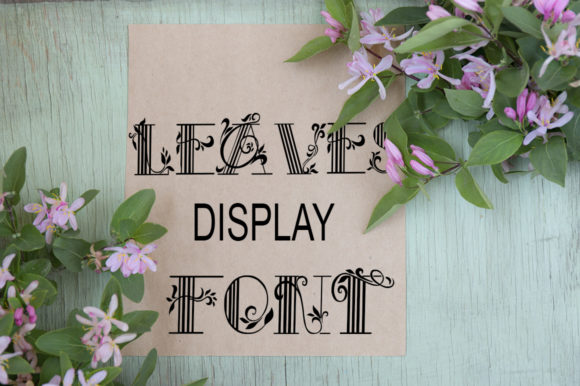
The visual personality of Leaves is defined by its warm, jolly, yet sophisticated aesthetic. It captures the essence of classic editorial design while remaining accessible enough for contemporary applications. The letterforms feature subtle serifs and organic curves that mimic the natural flow of hand-drawn calligraphy without sacrificing legibility. This balance is crucial for a premium font intended for broad use. When you add Leaves confidently to your projects, you are not merely selecting a text style; you are curating an atmosphere. The result is often described as "real work of art," transforming simple headlines into focal points that demand attention and evoke emotion.
Visual Characteristics and Design Appeal
To understand why Leaves resonates with designers and content creators alike, one must look closely at its construction. As a serif font with strong display capabilities, it possesses a distinct rhythm. The terminals—the ends of the strokes—are softened, avoiding the harshness of some traditional old-style serifs. Instead, they carry a gentle, almost whimsical quality that aligns with the "warm" descriptor in its brief. The x-height is generous, ensuring that even at smaller sizes, the characters remain clear and inviting, though it truly shines when used as a display font for large-scale impact.
The term "vintage styled" can sometimes imply clutter or outdated aesthetics, but Leaves manages to avoid this pitfall through clean line weights and balanced spacing. It feels timeless rather than dated. The romantic aspect comes from its slight italicization tendencies and the fluid connection between letters, reminiscent of handwritten fonts but with the precision of a professional typeface. This makes it exceptionally versatile. It can serve as the primary voice in a logo design, providing a sense of established trust and elegance, or it can act as a creative accent in social media graphics, adding a pop of personality to otherwise standard layouts.
Furthermore, the font’s jolly nature allows it to bridge the gap between formal and casual. It is appropriate for high-end packaging design where luxury is key, yet friendly enough for a local bakery’s menu board. This duality is rare in the world of commercial fonts. Many decorative fonts are too ornate for body text or too rigid for creative expression. Leaves strikes a middle ground, offering a creative font option that does not compromise on professionalism. For bloggers and publishers, this means the typography can support the narrative tone without overpowering the content, creating a harmonious reading experience that keeps audiences engaged.
Strategic Applications Across Industries
The utility of Leaves extends far beyond simple decoration. In the realm of branding, consistency is paramount, and Leaves provides a strong anchor for brand identity systems. Imagine a boutique skincare company using Leaves for their product labels. The vintage elegance suggests natural ingredients and artisanal quality, appealing directly to consumers who value authenticity. Similarly, in editorial design, such as magazine covers or book titles, Leaves commands authority and grace. It draws the eye immediately, serving as a powerful hook in a crowded marketplace.
- Wedding and Event Industry: The romantic and jolly traits make Leaves ideal for invitations, save-the-dates, and signage. It complements floral motifs and soft color palettes beautifully.
- E-commerce and Retail: For small business owners selling handmade goods or vintage items, Leaves reinforces the story behind the product. It works exceptionally well in email marketing headers to boost open rates through visual appeal.
- Digital Content Creation: Bloggers and influencers can use Leaves for featured images or quote graphics. Its readability ensures that messages are consumed quickly, while its style ensures they are remembered.
- Packaging Design: In physical retail, shelf presence matters. Leaves adds a tactile feel to digital mockups and final prints, suggesting a premium unboxing experience.
When integrating Leaves into web design, it is important to consider the context. While it is primarily a display font, using it for navigation menus or long-form body copy might hinder user experience. However, as a header font paired with a clean sans-serif font for body text, it creates a striking contrast. This pairing strategy leverages the best of both worlds: the emotional resonance of Leaves and the functional clarity of a modern sans serif font. This approach enhances visual hierarchy, guiding the reader’s eye naturally through the content structure.
Practical Guidance for Implementation
Choosing the right typography involves more than just liking how a font looks in isolation. To get the most out of Leaves, start by evaluating your project’s specific needs. Ask yourself: Does this project require a sense of history? Is the target audience responding to warm, human-centric designs? If the answer is yes, Leaves is a strong candidate. Before purchasing or downloading, review all included styles. A comprehensive font family typically includes regular, bold, italic, and perhaps condensed variants. Having these options allows for greater flexibility in layout and emphasis, enabling you to create dynamic compositions without switching typefaces.
Font pairing is an art form that requires practice. Since Leaves has significant character, it pairs best with neutral, understated typefaces. A geometric sans serif font can provide a modern counterpoint, while a classic serif font can deepen the vintage aesthetic. Avoid pairing it with other script fonts or highly decorative typefaces, as this will create visual chaos. Instead, let Leaves be the star, supported by a reliable secondary font that handles data-heavy information. Test these combinations across different mediums. What looks good on a desktop monitor may render differently on mobile devices or in print. Always check kerning and tracking, especially when using Leaves in all-caps formats, to ensure optimal readability.
Commercial licensing is another critical consideration. Ensure that the license covers your intended use cases, whether that is personal crafts, client work, or mass-produced merchandise. Understanding the terms protects your business and respects the designer’s rights. Many premium fonts offer flexible licensing options that allow for unlimited projects within certain parameters. By investing in a high-quality, legally licensed font like Leaves, you are contributing to a sustainable creative ecosystem while securing assets that will serve your brand for years to come. Ultimately, the goal is to enhance communication. Leaves does this by adding a layer of emotional depth and visual sophistication that plain text simply cannot achieve.