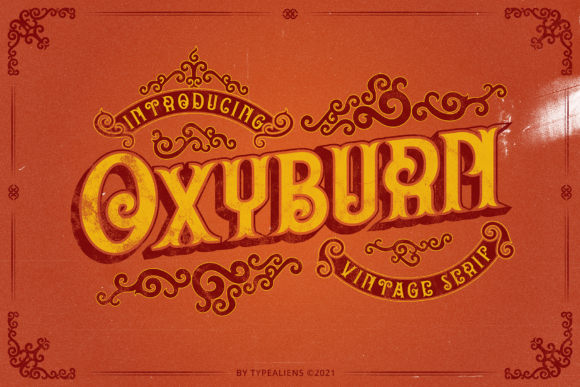
Oxyburn: The Bold Vintage Display Font for Creative Projects
When you are looking to make a statement that feels both rugged and refined, typography plays a crucial role. One font that has been gaining traction among designers and hobbyists alike is Oxyburn. This typeface isn’t just another generic script or sans-serif; it carries a distinct personality that screams vintage charm with a modern twist. If you have ever struggled to find a font that balances readability with strong stylistic flair, Oxyburn might be the missing piece in your design toolkit.
At its core, Oxyburn is a cool, bold, and vintage-styled display font. It is designed to grab attention immediately. Unlike subtle body fonts meant for long paragraphs of text, Oxyburn shines when it is large, loud, and central to the composition. Its thick strokes and slightly distressed edges give it an authentic, handcrafted feel, reminiscent of old Western posters, retro beer labels, or classic concert flyers. However, unlike some overly ornate vintage fonts that can be difficult to read, Oxyburn maintains a level of clarity that makes it versatile enough for various applications.
Why Choose Oxyburn for Your Designs?
The appeal of Oxyburn lies in its ability to evoke nostalgia without feeling dated. In a digital landscape saturated with clean, minimalist designs, a bold vintage font stands out as a refreshing alternative. It adds texture and depth to flat designs, giving them a tactile quality even on a screen. Whether you are a seasoned graphic designer or someone who just started making greeting cards for friends, this font offers immediate visual impact.
One of the primary reasons creators choose Oxyburn is its versatility across different mediums. While many display fonts look great on a website but fall apart when printed, Oxyburn holds up well in both environments. The bold weight ensures it remains legible at small sizes on mobile screens, while its detailed character shapes provide rich detail when scaled up for large-format printing. This dual capability makes it a practical choice for professionals who need assets that work seamlessly from social media posts to physical merchandise.
Furthermore, the "cool" factor mentioned in its description is not accidental. The font’s aesthetic aligns perfectly with current trends in branding that favor authenticity and heritage. Brands that want to project strength, reliability, and a touch of rebellion often turn to fonts like Oxyburn. It communicates confidence. When you use this font, you are telling your audience that your brand or project has substance and history, even if it is new.
Practical Applications Across Industries
Understanding where Oxyburn fits best helps in maximizing its potential. Here are several realistic scenarios where this font excels:
- Crafting and DIY Projects: For those who love cutting vinyl, using Cricut machines, or hand-lettering signs, Oxyburn provides clear, bold outlines that are easy to cut and assemble. Its sturdy letters prevent thin parts from breaking during the crafting process, making it ideal for wooden signs, t-shirts, and stickers.
- Digital Designing: Social media managers and content creators can use Oxyburn for eye-catching headers, quote graphics, and thumbnail overlays. Its high contrast against backgrounds ensures that key messages pop on platforms like Instagram, Pinterest, and YouTube.
- Presentations: Educators and business professionals often struggle to make slides engaging. Using Oxyburn for slide titles or key data points can break the monotony of standard corporate templates. It adds a layer of professionalism mixed with creative flair, helping to keep the audience’s attention focused on the main ideas.
- Greeting Cards and Stationery: Personalization is key in the stationery market. Oxyburn works beautifully for birthday cards, wedding invitations (especially rustic or boho themes), and holiday greetings. The vintage style lends itself well to celebratory and heartfelt messages, adding a personal touch that feels curated rather than mass-produced.
Enhancing Brand Identity
For small business owners and entrepreneurs, consistency in branding is vital. Incorporating Oxyburn into your logo, packaging, or marketing materials can help establish a recognizable visual identity. Imagine a coffee shop menu, a craft brewery label, or a boutique clothing line tag—all of these benefit from the rustic yet polished look that Oxyburn provides. It helps differentiate your brand from competitors who rely on more conventional typography.
Moreover, in the realm of freelancing, having access to unique fonts can set you apart. Clients often appreciate designers who understand the emotional resonance of type. By suggesting Oxyburn for projects that require a specific mood—such as adventure travel agencies, outdoor gear brands, or artisanal food producers—you demonstrate an understanding of how typography influences consumer perception.
Important Considerations Before You Start
While Oxyburn is a powerful tool, it is important to use it wisely. Display fonts are meant to be used sparingly. Overusing Oxyburn in body text can lead to visual fatigue and reduce readability. The best practice is to pair it with simpler, neutral fonts for longer passages of text. A clean sans-serif or a classic serif can complement the boldness of Oxyburn, allowing it to serve as the headline while the supporting text remains easy to digest.
Another consideration is licensing. As with any professional font, ensure you have the appropriate license for your intended use. If you are using Oxyburn for commercial products like print-on-demand items or client work, verify that your license covers commercial distribution. This protects you legally and supports the type foundry that created the font.
Additionally, pay attention to color and background pairing. Because Oxyburn is bold and detailed, it works best against contrasting backgrounds. Light text on dark backgrounds or vice versa tends to enhance its vintage aesthetic. Experimenting with textures, such as paper grain or noise overlays, can further accentuate the font’s character, but be careful not to overdo it to the point where the text becomes illegible.
Getting Started with Oxyburn
If you are ready to incorporate Oxyburn into your workflow, start by downloading the font files and installing them on your computer. Most design software, including Adobe Illustrator, Photoshop, Canva, and Microsoft Word, will recognize the font once installed. Begin with simple projects, such as creating a quote graphic or designing a party invitation, to get a feel for how the letters interact with other elements.
As you become more comfortable, try combining Oxyburn with other vintage-inspired elements like borders, stamps, or muted color palettes. This holistic approach will help you create cohesive designs that fully leverage the font’s strengths. Remember, the goal is not just to use a cool font, but to communicate effectively. Let Oxyburn be the voice that speaks loudly and clearly, ensuring your message is heard and remembered.
In conclusion, Oxyburn is more than just a typeface; it is a design element that brings energy and character to any project. Whether you are crafting, designing digitally, or preparing a presentation, this bold vintage font offers a reliable and stylish solution. By understanding its capabilities and limitations, you can harness its power to create visuals that resonate with your audience and elevate your work to the next level.