The Art of Visual Harmony: Integrating Yellow Melody into Modern Design Workflows
In the rapidly evolving landscape of digital and print media, typography serves as the backbone of visual communication. It is not merely about conveying text; it is about setting the tone, evoking emotion, and guiding the viewer’s eye through a narrative. Among the myriad of typefaces available to designers today, Yellow Melody has emerged as a distinctive choice for those seeking to balance cuteness with contemporary flair. This unique display font offers a perfect amount of trendiness, making it an invaluable asset for posters, flyers, and various print materials. By understanding its specific characteristics and strategic applications, creators can unlock new levels of engagement in their projects.
Understanding the Aesthetic Profile of Yellow Melody
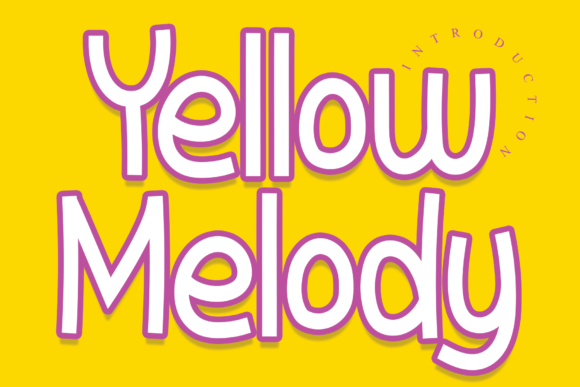
To appreciate the utility of any typeface, one must first dissect its aesthetic DNA. Yellow Melody is categorized as a display font, which means it is designed primarily for large sizes rather than body text. Its name suggests warmth and cheerfulness, attributes that are visually translated through its rounded, approachable letterforms. The design features a deliberate softness that avoids the harshness of rigid geometric sans-serifs while maintaining enough structure to remain legible and professional.
The "trendiness" inherent in Yellow Melody stems from its adherence to modern design sensibilities. Current graphic design trends often favor organic shapes, playful interactions, and a break away from the sterile minimalism that dominated the early 2010s. Yellow Melody captures this shift by offering a personality-driven typeface that feels both nostalgic and fresh. It possesses a hand-drawn quality without sacrificing the precision expected in commercial design. This duality allows it to appeal to a broad audience, bridging the gap between whimsical illustration and clean corporate branding.
When placed against a white or neutral background, the font’s curves stand out with clarity. However, its true potential is realized when paired with complementary colors and imagery. The yellow hue associated with its identity (though the font itself is usually rendered in black or dark tones for versatility) implies energy and optimism. Designers who utilize Yellow Melody are essentially borrowing this psychological association, injecting their projects with a sense of joy and accessibility.
Strategic Applications in Print Media
While digital screens have become the primary medium for content consumption, print remains a powerful tactile experience. Yellow Melody shines particularly brightly in physical formats where texture, size, and immediate visual impact are paramount. Its ability to look stunning on any poster or flyer makes it a top contender for event marketing, product launches, and community announcements.
- Event Posters: For music festivals, art exhibitions, or local community gatherings, the playful nature of Yellow Melody sets an inviting tone. It signals to the viewer that the event is fun, accessible, and unpretentious. Large-scale printing allows the intricate details of the font’s curves to be appreciated, creating a memorable visual anchor for the poster.
- Flyer Design: In crowded public spaces, such as coffee shops or university bulletin boards, a flyer needs to grab attention within seconds. Yellow Melody’s distinct shape ensures readability from a distance. When used for headlines, it creates a hierarchy that draws the eye immediately to the key message, leaving room for secondary information in more subdued fonts.
- Packaging and Labels: Small businesses and artisanal brands often seek to differentiate themselves on crowded shelves. Using Yellow Melody on product labels or packaging adds a touch of boutique charm. It suggests craftsmanship and care, qualities that resonate strongly with consumers looking for authentic, handmade, or locally sourced goods.
The versatility of Yellow Melody extends beyond just these examples. It can be effectively used in wedding invitations, birthday party decorations, and educational materials. In each case, the font contributes to a cohesive visual story that aligns with the emotional intent of the project.
Digital Integration and Brand Identity
The transition from print to digital does not diminish the value of Yellow Melody; rather, it expands its reach. In the realm of web design and social media graphics, the font serves as a powerful tool for brand differentiation. Many brands struggle to maintain a consistent voice across platforms, often relying on generic sans-serif fonts that fail to convey personality. Incorporating Yellow Melody into a brand’s visual identity can instantly communicate a friendly, innovative, and creative ethos.
Social media platforms thrive on visual content. Instagram posts, Pinterest pins, and Facebook banners benefit from the eye-catching nature of display fonts. Yellow Melody’s trendiness ensures that content appears current and relevant. For influencers and content creators, using this font in thumbnails or quote graphics can increase click-through rates by standing out in a feed saturated with uniform typography.
Furthermore, Yellow Melody can be integrated into website headers and call-to-action buttons. While it should never be used for long-form body copy due to its decorative nature, its application in headings can create a striking contrast with standard paragraph fonts. This juxtaposition helps guide user attention and breaks up the monotony of text-heavy pages. Web designers can leverage this to highlight special offers, new arrivals, or important announcements, thereby enhancing user engagement and conversion rates.
Best Practices for Pairing and Layout
Using Yellow Melody effectively requires a thoughtful approach to pairing and layout. As a display font, it demands respect and space. Overcrowding the design with too many competing elements can dilute its impact. Designers should treat Yellow Melody as the protagonist of the typographic hierarchy, allowing it to take center stage.
Pairing Strategies:
One of the most common questions designers face is how to pair a decorative font like Yellow Melody with other typefaces. The general rule is to balance complexity with simplicity. Since Yellow Melody is already visually busy and expressive, it pairs best with clean, neutral sans-serif or serif fonts for body text. Fonts like Helvetica, Roboto, or Lato provide a stable foundation that allows Yellow Melody to shine without causing visual fatigue.
For example, a poster advertising a yoga retreat might use Yellow Melody for the title "Find Your Balance," while using a thin, elegant sans-serif for the date, location, and instructor bio. This combination creates a harmonious blend of playfulness and professionalism. Similarly, in a digital advertisement, Yellow Melody could headline the offer, while a simple Arial or Open Sans delivers the terms and conditions.
Color and Contrast:
The legibility of Yellow Melody is also influenced by color choices. High contrast is essential. Dark text on light backgrounds or vice versa ensures that the font’s details remain clear. Designers should avoid placing Yellow Melody over busy images or patterns, as this can compromise readability. If a photographic background is necessary, applying a subtle overlay or shadow behind the text can enhance visibility without detracting from the overall aesthetic.
Considerations for Professional Implementation
While Yellow Melody offers numerous advantages, there are practical considerations that professionals must keep in mind. First and foremost is licensing. As a premium or specialized display font, proper licensing is crucial for commercial use. Designers and business owners must ensure they have the appropriate rights to use Yellow Melody in their projects to avoid legal complications. Understanding the difference between personal and commercial licenses is vital, especially when creating assets for clients or selling products.
Kerning and Spacing:
Display fonts often require meticulous attention to kerning (the spacing between individual characters) and tracking (the spacing between groups of characters). Yellow Melody’s unique shapes may necessitate manual adjustments to achieve optimal visual balance. Automated kerning tools may not always capture the nuances of the font’s design, so manual refinement is often recommended for high-stakes designs like logos or large-format prints.
Scalability:
Another consideration is scalability. While Yellow Melody looks stunning at large sizes, its effectiveness diminishes when scaled down too small. In responsive web design, where layouts adapt to various screen sizes, designers must test how the font renders at different resolutions. If the font becomes illegible or loses its character on mobile devices, it may be necessary to switch to a more robust alternative for smaller breakpoints.
The Future of Playful Typography
The design industry is witnessing a resurgence of personality-driven typography. Consumers are increasingly drawn to brands that feel human, authentic, and relatable. In this context, fonts like Yellow Melody are not just decorative elements; they are strategic tools for building emotional connections. As technology advances, we can expect to see even more dynamic uses of display fonts, including animated typography in video content and interactive elements in augmented reality experiences.
For educators and researchers, studying the impact of fonts like Yellow Melody on user behavior provides valuable insights into cognitive processing and emotional response. Does the playfulness of the font reduce anxiety in learning environments? Does it increase trust in financial services? These questions open up new avenues for interdisciplinary research, blending psychology, design, and marketing.
Ultimately, the success of Yellow Melody lies in its ability to adapt to diverse contexts while maintaining its core identity. Whether used in a minimalist magazine spread or a vibrant street festival banner, it brings a sense of joy and creativity that resonates with audiences. By exploring its endless possibilities, designers can elevate their work from mere communication to genuine artistic expression.
Conclusion
Yellow Melody represents a significant opportunity for designers and creators to infuse their work with character and charm. Its unique blend of cuteness and trendiness makes it a versatile tool for a wide range of applications, from print posters to digital branding. By understanding its strengths, respecting its limitations, and applying it with intention, professionals can create designs that not only inform but also inspire. As the world of design continues to evolve, fonts like Yellow Melody will remain essential components in the toolkit of those who wish to connect with their audiences on a deeper, more meaningful level.