Science Fiction: The Modern Typeface Reshaping Digital Design Aesthetics
In the vast landscape of typography, where serif and sans-serif families have dominated for centuries, a new contender has emerged that bridges the gap between futuristic innovation and minimalist elegance. Science Fiction is not merely a font; it is a statement piece that captures the zeitgeist of modern design. As we move further into an era defined by digital interfaces, clean lines, and user-centric experiences, the demand for typefaces that convey precision, clarity, and a touch of avant-garde flair has never been higher. This article explores the unique characteristics of Science Fiction, its practical applications across various industries, and why it has become a staple in the toolkit of contemporary designers.
The Anatomy of a Modern Classic
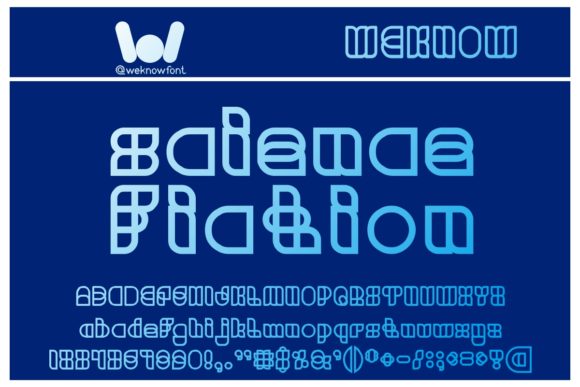
To understand why Science Fiction resonates with such a broad audience, one must first look at its structural integrity. Unlike ornate display fonts that require significant visual breathing room, Science Fiction is engineered for versatility. Its geometric underpinnings provide a sense of stability, while its subtle stylistic nuances add character without overwhelming the reader. The font’s clean display nature ensures that it remains legible even at smaller sizes, a critical feature for web design and mobile applications where screen real estate is at a premium.
The "neat vibe" associated with this typeface is no accident. It stems from a meticulous attention to kerning and spacing, which allows text to flow smoothly regardless of the context. Whether used for a bold headline or a subtle caption, Science Fiction maintains a consistent voice. This consistency is what makes it so powerful for branding. In a market saturated with visual noise, a typeface that offers clarity and order stands out as a beacon of professionalism. The font’s ability to adapt to different weights and styles—ranging from light and airy to bold and commanding—means that designers can explore endless variations within a single family, ensuring cohesive visual storytelling across all platforms.
Bridging the Gap Between Tech and Creativity
One of the most compelling aspects of Science Fiction is its dual appeal to both technical professionals and creative visionaries. For software developers and tech startups, the font reflects the precision and logic inherent in coding and engineering. Its sharp angles and uniform stroke widths mirror the binary nature of technology, making it an ideal choice for documentation, interface design, and developer tools. When a tech company uses Science Fiction, it subtly communicates efficiency, reliability, and forward-thinking innovation.
Conversely, for artists, illustrators, and content creators, the font serves as a canvas for expression. The "fun" aspect mentioned in its description is derived from its playful yet sophisticated structure. It invites experimentation. A graphic designer might pair the bold weight of Science Fiction with soft, organic imagery to create a striking contrast, highlighting the tension between the digital and the natural. This flexibility allows creators to push boundaries while maintaining a level of readability that is often sacrificed in more experimental typefaces. The result is a design that feels both cutting-edge and accessible.
Practical Applications Across Industries
The utility of Science Fiction extends far beyond simple text replacement. Its application varies significantly depending on the industry and the specific goals of the project. Below are some key areas where this typeface shines:
- Tech Startups and SaaS Platforms: For companies launching new software products, clear communication is paramount. Science Fiction’s legibility makes it perfect for user manuals, dashboard interfaces, and marketing landing pages. It helps reduce cognitive load for users, allowing them to focus on the product rather than deciphering the text.
- Educational Materials: Educators and instructional designers are increasingly turning to clean, modern fonts to enhance learning outcomes. Science Fiction’s neat appearance reduces distractions, helping students concentrate on the material. Its versatility allows for the creation of engaging presentations, textbooks, and online course modules that feel modern and relevant.
- Fashion and Lifestyle Brands: In the fashion industry, aesthetics are everything. Science Fiction’s sleek lines complement minimalist brand identities, appearing on everything from clothing tags to social media graphics. It conveys a sense of luxury and modernity, appealing to consumers who value style and substance.
- Gaming and Entertainment: While many assume that gaming requires highly stylized, aggressive fonts, there is a growing trend toward cleaner, more readable designs in narrative-driven games and indie titles. Science Fiction fits perfectly into sci-fi themes, providing a authentic retro-futuristic feel without sacrificing modern usability.
Why Versatility Matters in Long-Form Content
For researchers, bloggers, and long-form writers, the choice of typography can significantly impact engagement. Studies have shown that readers are more likely to stay on a page if the text is easy to read. Science Fiction, despite being a display font, possesses qualities that support extended reading sessions. Its balanced proportions prevent eye strain, while its distinctive personality keeps the content visually interesting.
Consider a scenario where a business owner is creating a white paper or a detailed case study. Using a standard sans-serif might make the document feel dry, while an overly decorative font could undermine the seriousness of the content. Science Fiction strikes the perfect balance. It adds a layer of sophistication and intent to the writing, suggesting that the content is carefully curated and professionally presented. This subtle psychological cue can enhance the perceived authority of the author and the credibility of the information provided.
Implementation Strategies for Designers
Integrating Science Fiction into a design project requires more than just selecting it from a dropdown menu. To truly harness its potential, designers should consider the following strategies:
- Hierarchy and Contrast: Use the heavier weights of Science Fiction for headlines and calls-to-action to draw immediate attention. Pair these with lighter weights or complementary body fonts for longer passages of text. This creates a dynamic visual hierarchy that guides the reader’s eye through the content.
- White Space Utilization: Given the strong presence of Science Fiction, it is essential to give it room to breathe. Avoid cluttering the layout with excessive elements. Let the font’s clean lines stand out against ample white space, enhancing the overall sense of elegance and order.
- Color Psychology: Experiment with color palettes that complement the font’s modern aesthetic. Cool tones like blues and grays can enhance the technological feel, while warm accents can add energy and excitement. The right color combination can amplify the emotional impact of the typography.
- Contextual Relevance: Always ensure that the use of Science Fiction aligns with the brand’s message. If the goal is to convey tradition and heritage, this font may not be the best choice. However, for brands focused on innovation, progress, and modernity, it is an excellent fit.
The Future of Typography and Science Fiction
As design trends continue to evolve, the role of typography becomes increasingly central to user experience. We are seeing a shift away from rigid, corporate-looking fonts toward more expressive and human-centered typefaces. Science Fiction is well-positioned to thrive in this environment. Its ability to blend functionality with artistic flair makes it a timeless choice that can adapt to future changes in design technology.
Moreover, the rise of variable fonts and responsive design presents new opportunities for typefaces like Science Fiction. Designers can now adjust parameters such as weight, width, and optical size dynamically based on the user’s device and preferences. This level of control allows for even greater customization, ensuring that the font performs optimally in any context. As screens become more diverse—from smartwatches to large format displays—the need for adaptable, high-quality typefaces will only grow.
Conclusion
Science Fiction is more than just a font; it is a tool for communication that empowers designers to tell stories with clarity and style. Its modern, clean aesthetic appeals to a wide range of audiences, from tech-savvy professionals to creative hobbyists. By understanding its characteristics and applying it thoughtfully, designers can create experiences that are not only visually stunning but also functionally superior. As we look to the future, Science Fiction stands as a testament to the power of thoughtful design, proving that even in a digital world, the details matter. Embrace its versatility, explore its variations, and let it bring a fresh perspective to your next project.