Evaluating Jabbing: A Modern Display Font for High-Impact Design
Selecting the right typography is often the most critical decision in graphic design, particularly when working with display fonts. The goal is rarely just legibility; it is about conveying tone, energy, and visual hierarchy instantly. Among the growing library of modern typefaces, Jabbing has emerged as a distinctive option for designers seeking a cool, neat, and contemporary aesthetic. It is not merely a standard sans-serif or a decorative novelty; it occupies a specific niche that bridges the gap between structured geometry and expressive personality.
This evaluation explores what makes Jabbing distinct, how it performs in various contexts, and whether it aligns with your current project requirements. By understanding its structural characteristics and best-fit use cases, you can determine if this font offers the right balance of style and functionality for your next poster, flyer, or print piece.
Defining the Aesthetic: What Makes Jabbing Distinct?
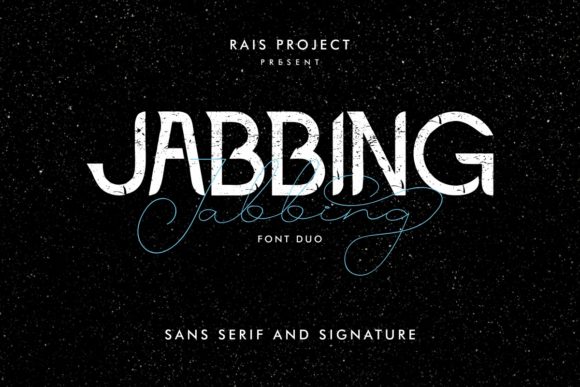
To evaluate any typeface effectively, one must first understand its visual language. Jabbing is characterized by its clean lines and modern sensibility. Unlike serif fonts that rely on traditional ornamentation, or script fonts that mimic handwriting, Jabbing leans into a minimalist yet impactful structure. The term "cool" in typography often refers to a sense of detachment or sophistication, while "neat" implies order and precision. Jabbing achieves this through consistent stroke weights and carefully calculated spacing.
The font’s distinctiveness lies in its ability to command attention without shouting. In an era where digital feeds are cluttered with noise, a typeface that offers clarity and modern elegance stands out. Jabbing provides this clarity. Its forms are straightforward, avoiding unnecessary flourishes, which allows the text itself to become the primary visual element. This makes it particularly effective for headlines where brevity and punch are required.
Furthermore, the "modern" aspect of Jabbing is evident in its adaptability. It does not feel tied to a specific historical period, such as the brutalism of the 1970s or the elegance of the Art Deco era. Instead, it feels current, making it a safe yet stylish choice for brands looking to appear up-to-date without chasing fleeting trends. When used correctly, it adds a layer of professional polish to any design layout.
Performance in Print and Digital Media
One of the primary considerations for any display font is its versatility across mediums. While many fonts degrade when scaled down or printed at low resolutions, Jabbing is engineered to maintain its integrity. This is crucial for designers who need assets that work seamlessly from high-resolution billboards to small mobile screens.
Ideal Use Cases for Print
Jabbing shines in physical media, particularly in posters and flyers. These formats demand immediate readability from a distance. The font’s strong geometric presence ensures that key messages are absorbed quickly by viewers. For event promotions, concert posters, or product launches, the clean lines of Jabbing allow accompanying imagery to take center stage without competing for attention. The negative space around the letters is balanced, preventing the text block from feeling too dense or overwhelming.
In editorial design, such as magazine covers or brochure headers, Jabbing provides a sophisticated anchor. It pairs well with both photographic and illustrative content, offering a neutral yet stylish backdrop. The font’s neatness ensures that long lists of information, such as schedules or credits, remain organized and easy to scan.
Digital Adaptability
In the digital realm, screen real estate is limited. Web banners, social media graphics, and email headers require typefaces that are legible at small sizes. Jabbing’s simple structure translates well to pixels, reducing the risk of anti-aliasing issues that can blur complex characters. However, designers should be mindful of weight selection. Using lighter weights on dark backgrounds can enhance a premium feel, while bold variations are better suited for call-to-action buttons or short headlines.
Comparing Jabbing to Other Display Options
When researching display fonts, designers often encounter several categories: geometric sans-serifs, humanist sans-serifs, and decorative display faces. Understanding where Jabbing fits within these categories helps clarify its value proposition.
- Geometric Sans-Serifs: Fonts like Futura or Avant Garde rely on perfect circles and triangles. They are highly structured but can sometimes feel cold or rigid. Jabbing shares the cleanliness of geometric fonts but often incorporates subtle variations that make it feel more approachable and less mechanical.
- Humanist Sans-Serifs: These fonts, such as Gill Sans or Frutiger, feature varying stroke widths inspired by traditional calligraphy. They are warm and readable but may lack the sharp, modern edge that Jabbing provides. If a project requires a friendly, organic tone, a humanist font might be preferable. For a sleek, tech-forward look, Jabbing is the stronger candidate.
- Decorative Display Fonts: Many display fonts prioritize uniqueness over usability, often featuring heavy textures, irregular shapes, or excessive styling. While these can be striking, they limit creative flexibility and can date quickly. Jabbing avoids this trap by maintaining a timeless quality. It is distinctive enough to be memorable but restrained enough to remain professional.
This comparison highlights Jabbing’s position as a versatile middle ground. It offers the impact of a decorative font without the associated limitations, and the clarity of a functional sans-serif without the potential blandness.
Strengths, Tradeoffs, and Decision Factors
No single typeface is suitable for every project. Evaluating Jabbing requires an honest assessment of its strengths and limitations to ensure it matches your specific needs.
Key Strengths
The primary strength of Jabbing is its visual consistency. Because it adheres to a strict modern aesthetic, it creates cohesive designs effortlessly. It is also highly legible, even in large sizes, which is a common pitfall for overly stylized display fonts. Additionally, its modernity ensures that designs do not look outdated upon release, saving clients from costly reprints or redesigns.
Potential Limitations
Because Jabbing is designed to be neat and cool, it may lack the warmth or emotional depth required for certain sensitive topics. For instance, a charity campaign focusing on community heritage might benefit more from a serif font that evokes tradition and trust. Similarly, if a brand identity relies heavily on hand-drawn elements or rustic themes, Jabbing’s polished geometry might clash rather than complement.
Another consideration is overuse. As modern sans-serifs become popular, there is a risk of designs looking generic if Jabbing is used without careful pairing. To mitigate this, designers should experiment with contrasting textures, colors, or layout techniques to ensure the typography remains dynamic.
Best-Fit Situations for Jabbing
Jabbing is particularly well-suited for industries and projects that value clarity, innovation, and professionalism. Consider using Jabbing in the following scenarios:
- Tech and Startups: Companies in the technology sector often seek fonts that reflect efficiency and forward-thinking. Jabbing’s clean lines align perfectly with these values.
- Fashion and Lifestyle: Brands targeting young adults often prefer minimal, chic aesthetics. Jabbing’s cool demeanor fits naturally within editorial layouts and lookbooks.
- Event Marketing: For festivals, conferences, or art exhibitions, the font’s ability to stand out in crowded environments makes it an excellent choice for posters and flyers.
- Corporate Presentations: When slide decks need to convey authority without being boring, Jabbing provides a modern alternative to standard corporate fonts like Arial or Calibri.
When to Choose an Alternative
While Jabbing is a powerful tool, it is not a universal solution. You may need to explore other options if:
- Your project requires extensive body text. Display fonts are generally not optimized for long-form reading. Pair Jabbing with a highly readable serif or sans-serif for paragraphs.
- You are designing for a demographic that responds better to traditional or playful aesthetics. Older audiences or children’s products might find Jabbing too austere.
- The brand identity is built around heritage, craftsmanship, or luxury in a classic sense. In these cases, a serif font or a custom script might better communicate the desired message.
Conclusion for Designers
Choosing a font is an exercise in balancing form and function. Jabbing succeeds by offering a refined, modern appearance that works effectively in both print and digital contexts. Its neat construction and cool vibe make it a reliable choice for designers aiming to create clean, impactful visuals. By understanding its place among other display options and recognizing its ideal use cases, you can leverage Jabbing to enhance your designs without compromising on usability or aesthetic appeal.
For those exploring alternatives, the key is to define the core message of your project first. If that message is clarity, modernity, and impact, Jabbing warrants serious consideration. It is a tool that, when used thoughtfully, can elevate a design from ordinary to stunning, proving that sometimes the simplest forms carry the most power.