Datting: The Clean, Organic Brush Font for Modern Design
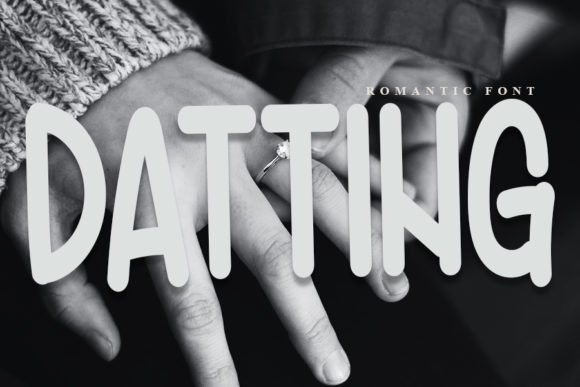
In a digital landscape saturated with rigid geometric sans-serifs and overly ornate script fonts, finding a typeface that strikes the perfect balance between structure and spontaneity can feel like searching for a needle in a haystack. Enter Datting, a simple, all-round, and neat paint brushed display font that brings an immediate sense of humanity to any design project. Its organic and clean style makes this font incredibly flexible, allowing it to adapt seamlessly across various mediums without losing its distinct character.
For creators, designers, marketers, and entrepreneurs aged 20 to 50, the demand for authenticity is higher than ever. Audiences are tired of polished, sterile corporate aesthetics. They want connection. They want something that feels hand-crafted, even if it was typed on a keyboard. Datting delivers exactly that. It mimics the fluid motion of a real brushstroke while maintaining the legibility and consistency required for professional communication. Adding it confidently to your projects will not only elevate the visual hierarchy but also infuse your content with a warmth that standard fonts often lack.
Why Datting Stands Out in a Crowded Market
The primary appeal of Datting lies in its duality. It is "neat" enough for business cards and headers, yet "organic" enough for lifestyle blogs and creative portfolios. Most brush fonts struggle with this balance; they either become too messy to read at small sizes or too uniform to feel authentic. Datting avoids these pitfalls by offering a clean line weight that remains consistent throughout the alphabet. This consistency ensures that your message is never compromised by decorative excess.
Consider the psychology of typography. A sharp, angular font might convey authority and precision, suitable for tech startups or law firms. In contrast, a flowing, irregular brush font suggests creativity, approachability, and artistry. Datting sits comfortably in the latter category but tempers it with a disciplined structure. This makes it an ideal choice for brands that want to appear friendly and accessible without sacrificing professionalism. Whether you are designing a logo for a boutique coffee shop or a header for a freelance photographer’s portfolio, Datting provides a versatile foundation that supports rather than overwhelms the core message.
Creative Applications Across Industries
One of the most powerful aspects of Datting is its adaptability. Because it is a display font, it shines brightest when used for headlines, titles, and short phrases. However, its flexibility allows it to be integrated into broader design systems with thoughtful application. Here is how different professionals can leverage its unique qualities:
For Graphic Designers and Brand Identity Creators
When building a brand identity, consistency is key. Datting can serve as the primary headline font for a brand guide, paired with a neutral sans-serif for body text. The contrast between the organic brush strokes of Datting and the clean lines of a body font creates visual interest and guides the reader’s eye. Use it for packaging designs, particularly for artisanal products like handmade soaps, craft beers, or organic skincare. The font echoes the natural ingredients and handcrafted nature of these goods, reinforcing the brand story before the customer even reads the label.
For Marketers and Content Creators
In social media marketing, grabbing attention within the first few seconds is crucial. Datting’s bold, expressive nature makes it perfect for Instagram stories, Pinterest pins, and YouTube thumbnails. When creating promotional graphics for events, workshops, or product launches, using Datting for the main event title adds a layer of excitement and urgency. It feels personal, as if someone wrote the invitation just for you. For bloggers and newsletter creators, using Datting for pull quotes or section headers can break up long blocks of text, making the content more scannable and engaging.
For Educators and Hobbyists
Educational materials do not have to be dry. If you are creating worksheets, certificates, or presentation slides, Datting can add a touch of fun and inspiration. For hobbyists involved in crafts, DIY projects, or home decor, this font is invaluable for labeling storage containers, creating recipe cards, or designing scrapbook pages. Its neatness ensures that the information remains clear, while its organic feel keeps the aesthetic inviting and warm.
Practical Tips for Using Datting Effectively
To get the most out of Datting, it is essential to understand its strengths and limitations. As a display font, it is not designed for long paragraphs of body copy. Using it for extensive text can lead to reader fatigue and reduce comprehension. Instead, reserve it for impactful moments where visual appeal takes precedence over volume.
- Pairing Strategy: Always pair Datting with a highly legible, neutral font for body text. Fonts like Helvetica, Roboto, or Open Sans work well because they do not compete with the personality of Datting. This contrast creates a balanced typographic hierarchy.
- White Space is Your Friend: Because Datting has a distinctive shape, it needs room to breathe. Avoid cluttering your design with too many other elements. Give your headlines ample white space around them to let the brush strokes stand out.
- Color and Texture: Experiment with colors that complement the organic feel of the font. Earth tones, muted pastels, or bold primary colors can all work depending on the context. You can also overlay Datting on textured backgrounds, such as paper grain or watercolor washes, to enhance its hand-painted aesthetic.
- Kerning and Tracking: Pay attention to the spacing between letters. While Datting is generally well-spaced, adjusting tracking slightly can improve readability, especially in large display sizes. Tighten it for a cohesive block of text or loosen it for a more airy, elegant look.
Maintaining Consistency and Originality
As you incorporate Datting into your workflow, keeping results clear and organized is vital. One common mistake is overusing trendy fonts, which can make a design feel dated quickly. To maintain originality, use Datting as a signature element rather than a crutch. Let it define specific parts of your brand or project, such as the logo mark or the main call-to-action button, while letting other elements remain understated.
Furthermore, consider the context of your audience. If you are targeting a younger demographic, Datting’s playful nature aligns well with current trends in digital media. For a more mature audience, its clean and refined edges ensure that the design remains sophisticated and respectful. By understanding who you are speaking to, you can adjust how prominently you feature Datting in your layouts.
Conclusion: Elevate Your Projects with Confidence
Datting is more than just a font; it is a tool for expression. Its ability to blend organic charm with professional neatness makes it a valuable asset for anyone looking to add depth and character to their visual communications. Whether you are launching a new business, revamping your blog, or simply trying to make your next social media post pop, Datting offers a reliable and stylish solution.
By integrating this typeface thoughtfully, you can create designs that resonate on a human level. You move beyond mere information delivery to creating an experience. So, add Datting confidently to your next project. Trust its versatility, respect its display nature, and watch as your designs gain the clarity, warmth, and impact they deserve. The results will speak for themselves, offering a fresh and engaging perspective in a world that desperately needs more authentic voices.