The Future of Typography: Why Gen Z Is the Ultimate Font for Futuristic Design
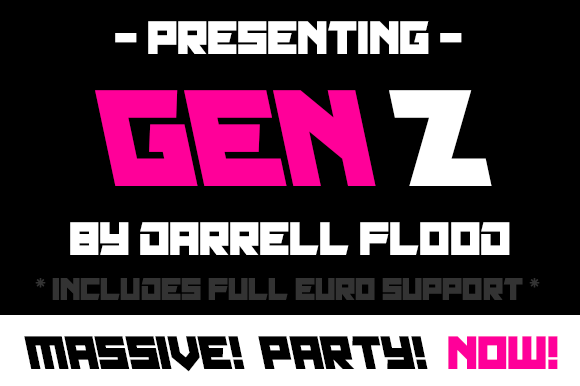
In the rapidly evolving landscape of digital design, typography is no longer just about readability; it is a statement. It is a mood, a genre, and a visual language that speaks directly to the culture of the moment. Enter Gen Z, a modern sci-fi font that has quickly become a staple in the arsenals of designers who want to convey speed, innovation, and edge. With its slick angular style and unique italic treatment, this typeface is more than just a collection of glyphs—it is an aesthetic tool designed for the future.
Whether you are designing a website for a tech startup, creating promotional materials for a rave event, or building a presentation for a cutting-edge product launch, understanding how to leverage fonts like Gen Z can elevate your work from ordinary to extraordinary. This article explores the distinct characteristics of the Gen Z font, its practical applications, and why its futuristic design resonates so strongly with modern audiences.
Deconstructing the Aesthetic: Angular Precision and Futuristic Flair
To truly appreciate the Gen Z font, one must first look at its structural DNA. Unlike traditional serif or sans-serif typefaces that rely on curves and organic flows, Gen Z embraces slick angularity. Every letterform is constructed with sharp lines and geometric precision, mimicking the sleek, aerodynamic shapes often seen in science fiction architecture and high-performance vehicles.
This angular approach serves a specific psychological purpose. Sharp angles subconsciously signal efficiency, technology, and forward momentum. When a user sees text rendered in this style, their brain associates the message with modernity and progress. The font does not ask for attention; it commands it through its sheer boldness and clean lines.
However, what truly sets Gen Z apart from other "futuristic" fonts is its subtle attention to detail. The uppercase characters include stylistic alternates—small variations in the shape of certain letters that add depth and character without compromising legibility. These alternates prevent the text from looking too robotic, adding a layer of sophistication that appeals to both novice viewers and seasoned typographers.
The Reverse Italic: A Bold Departure from Tradition
Perhaps the most striking feature of the Gen Z font family is its Italic version. In traditional typography, italics are slanted forward (to the right) to simulate the flow of handwriting or the sensation of movement in that direction. Gen Z flips this convention on its head by tilting the characters backwards.
Why does this matter? Backward-leaning italics create a sense of resistance, tension, and dynamic energy. It feels as though the text is leaning into a wind tunnel or bracing against an invisible force. This reverse slant accentuates the futuristic feel, suggesting advanced propulsion systems or anti-gravity technology. For designers, this unique trait offers a powerful way to emphasize key terms, headlines, or calls to action that need to stand out aggressively.
Where Gen Z Fits: Practical Applications in Modern Design
While any font can be used for any project, using Gen Z in the wrong context can lead to confusion or visual fatigue. Its strong personality makes it best suited for specific themes and environments where its futuristic vibe enhances the overall message. Here are some of the most effective ways to integrate this typeface into your projects.
- Tech Presentations and Startups: If you are pitching a new software platform, AI tool, or hardware device, Gen Z reinforces the narrative of innovation. Using it for slide headers or logo mockups immediately signals that your brand is at the forefront of technology.
- Rave Events and Music Festivals: The high-energy, aggressive nature of the font aligns perfectly with electronic music culture. Neon colors paired with the sharp angles of Gen Z create a visceral visual experience that mirrors the intensity of live performances.
- Gaming and Esports: The gaming industry thrives on immersive aesthetics. Gen Z’s sci-fi roots make it ideal for game UI elements, tournament banners, and streaming overlays, helping to establish a competitive and high-stakes atmosphere.
- Product Packaging for Tech Accessories: For brands selling headphones, mechanical keyboards, or smartwatches, this font adds a premium, cybernetic touch to packaging design, distinguishing the product from competitors using more generic sans-serifs.
Best Practices for Using Gen Z Effectively
Using a display font like Gen Z requires a delicate balance. Because of its strong visual weight, it can easily overwhelm a layout if not handled correctly. To ensure your designs remain professional and engaging, consider the following guidelines.
- Use Sparingly for Impact: Treat Gen Z as a headline font. Avoid using it for long paragraphs of body text. Its angularity reduces reading speed and comfort over extended periods. Reserve it for titles, quotes, buttons, and short labels.
- Prioritize Contrast: Pair Gen Z with simpler, neutral typefaces for supporting text. A clean, lightweight sans-serif can provide a perfect counterbalance to the heavy, angular presence of Gen Z. This contrast ensures that your hierarchy is clear and your content remains accessible.
- Experiment with Spacing: Due to the sharp angles, generous letter-spacing (kerning) can enhance the futuristic feel. Tight spacing might cause the points of the letters to clash visually, while wider spacing allows each glyph to breathe and shine.
- Leverage Color Strategically: Gen Z looks particularly stunning when combined with neon gradients, metallic textures, or dark backgrounds. High-contrast color schemes amplify the font's inherent energy and draw the eye directly to the message.
Common Misunderstandings About Sci-Fi Fonts
A frequent misconception among beginners is that all "sci-fi" fonts are created equal. Many assume that any font with a futuristic name will automatically convey a high-tech vibe. However, not all angular fonts are suitable for every futuristic theme. Some may appear dated, resembling 1980s computer graphics rather than modern interfaces.
Gen Z distinguishes itself by avoiding clichés. It does not rely on excessive distortion or illegible gimmicks. Instead, it maintains a level of clarity and professionalism that makes it versatile across various industries. Another common error is assuming that a bold font must be loud. While Gen Z is bold, its stylistic alternates and balanced proportions allow it to function subtly in minimalist designs, proving that futuristic design can also be elegant.
Conclusion: Embracing the Future of Type
Typography is a powerful tool for storytelling, and choosing the right font is akin to choosing the right voice for your narrative. Gen Z offers a compelling voice—one that is confident, modern, and undeniably forward-looking. Its slick angular style, combined with the innovative backward-tilted italic, provides designers with a unique set of tools to capture the imagination of their audience.
As we move further into a digital-first world, the demand for visuals that communicate speed, precision, and innovation will only grow. By incorporating Gen Z into your next project, whether it’s a tech presentation, a rave flyer, or a brand identity, you are not just selecting a font; you are making a statement about the future. So, go ahead and tilt your perspective backwards. Let your designs lean into the unknown, and let Gen Z help you build the bridge to tomorrow.