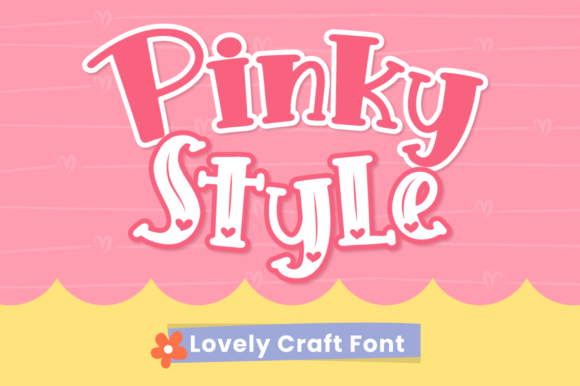
Pinky Style: Adding Whimsy and Warmth to Your Designs
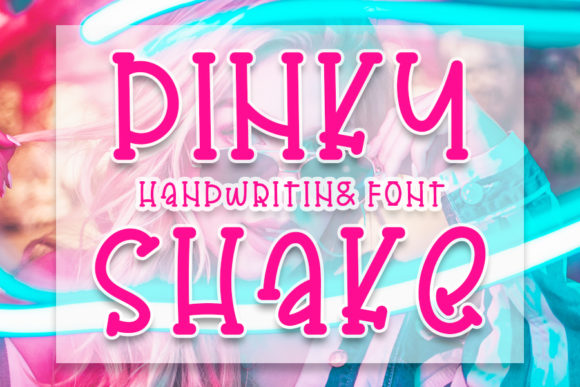
In a digital landscape saturated with sterile sans-serifs and rigid geometric typefaces, finding a font that genuinely connects on an emotional level can feel like searching for a needle in a haystack. Most designers are trained to prioritize legibility above all else, often at the cost of personality. However, there are moments when clarity must yield to character. This is where Pinky Style steps in as more than just a typographic choice; it becomes a narrative device. Described as an incredibly quirky and sweet display font, Pinky Style offers a distinct visual voice that can transform ordinary layouts into memorable experiences.
For creators ranging from freelance illustrators to small business owners, the right typeface does heavy lifting. It sets the tone before a single word is read. When you need to convey warmth, playfulness, or a touch of nostalgia, standard fonts often fall flat. Pinky Style fills this gap by providing a "lovely touch" that feels hand-crafted yet polished. Whether you are designing for children’s games, cartoon-related projects, or simply adding a personal flair to a blog post, understanding how to leverage this specific aesthetic can significantly elevate your work.
The Emotional Impact of Quirky Typography
Typography is not merely about communication; it is about atmosphere. The human brain processes visual cues instantly, and the curves, weights, and irregularities of a font like Pinky Style trigger specific emotional responses. Unlike the cold precision of Helvetica or the authoritative weight of Times New Roman, Pinky Style invites the viewer in. Its quirky nature suggests approachability, while its sweetness implies care and attention to detail.
This emotional resonance is particularly valuable for entrepreneurs and marketers who want to build trust quickly. In sectors such as education, childcare, or creative hobbies, establishing a friendly rapport is essential. By incorporating Pinky Style into headers, logos, or promotional materials, you signal to your audience that your brand is accessible and fun. For example, a local bakery using this font for its daily specials board immediately communicates a cozy, homemade vibe, whereas a sleek modernist font might suggest industrial production. The difference lies in the perceived authenticity and warmth of the message.
Enhancing Readability Through Personality
One common misconception is that decorative fonts sacrifice readability. While it is true that body text should generally remain neutral, display fonts serve a different purpose. They are meant to be glanced at, remembered, and felt. Pinky Style strikes a balance between stylistic flair and structural integrity. Its design allows it to stand out without becoming illegible, making it ideal for short bursts of text such as headlines, buttons, and call-to-action phrases.
Consider a scenario where a blogger is writing about parenting tips. A dry, academic font might alienate readers looking for relatable advice. By using Pinky Style for the article title and key takeaways, the writer creates a visual bridge to the reader. The font acts as a visual cue that the content is supportive and gentle. This subtle shift can increase engagement rates, as users are more likely to stop scrolling when the visual presentation aligns with their emotional needs. The result is not just a pretty page, but a more effective communication tool that guides the user through the content with ease.
Practical Applications Across Industries
The versatility of Pinky Style extends beyond obvious uses in children’s media. While it is undeniably suited for cartoon-related designs and game interfaces, its application can be surprisingly broad for professionals willing to experiment. Let’s explore how different roles can integrate this font into their workflows to achieve better outcomes.
- Educators and Content Creators: Teachers creating worksheets, certificates, or classroom decorations benefit greatly from fonts that reduce anxiety and encourage participation. Pinky Style makes learning materials look less like chores and more like invitations. For online course creators, using this font for module titles can make complex subjects feel more approachable to beginners.
- Small Business Owners: Local shops, especially those selling handmade goods, crafts, or treats, can use Pinky Style to reinforce their brand identity. A boutique clothing store aiming for a bohemian or vintage aesthetic will find that this font complements soft textures and natural colors perfectly. It helps differentiate the brand from larger, impersonal competitors.
- Freelance Designers: For designers working on branding packages, offering a custom display font option adds value to their service. Pinky Style can serve as a primary logo treatment for clients who want to emphasize creativity over corporate rigidity. It provides a quick win for projects that require a strong, immediate impression.
- Marketers and Bloggers: Social media graphics often compete for attention in seconds. A headline in Pinky Style stands out against the backdrop of uniform feeds. When used sparingly, it draws the eye to important announcements, sales events, or new product launches, potentially increasing click-through rates.
Solving Design Challenges with Specific Tools
Designers often face the challenge of balancing multiple elements on a page. Too much variety leads to chaos; too little leads to boredom. Pinky Style solves this by acting as a focal point. When paired with simple, clean body fonts, it anchors the design without overwhelming it. This contrast allows the designer to maintain hierarchy effectively. The eye is drawn first to the quirky header, then guided down to the readable body text.
Furthermore, this font can simplify decision-making for non-designers. Many entrepreneurs struggle with choosing color palettes and typography combinations because they lack confidence in their aesthetic judgment. Using a pre-designed, well-balanced font like Pinky Style reduces cognitive load. It comes with an inherent sense of style that ensures any project it touches looks cohesive. This is particularly helpful for hobbyists and small business owners who need to produce high-quality materials quickly without hiring a professional designer for every minor update.
Limitations and Strategic Considerations
While Pinky Style is an amazing choice for many scenarios, it is not a universal solution. Understanding its limitations is crucial for maintaining professionalism and effectiveness. Overuse of display fonts can lead to visual fatigue, making content difficult to digest. It is imperative to reserve Pinky Style for headings, titles, and short phrases rather than paragraphs of text.
Additionally, context matters. In industries that demand seriousness, such as law, finance, or healthcare, Pinky Style may undermine credibility. Using a "sweet" and "quirky" font in a legal contract or a medical report would send mixed signals and potentially confuse or alienate the audience. Professionals must carefully assess their target demographic and the desired tone before committing to this typeface. If the goal is to convey authority, stability, or urgency, other options should be considered.
Another consideration is accessibility. While Pinky Style is highly legible in large sizes, its unique shapes might pose challenges for users with certain visual impairments or dyslexia when used in small print. Always test the font in its intended environment. Ensure sufficient contrast between the text and background, and avoid placing it over busy images where the intricate details of the letters might get lost. Comparing options is always wise; sometimes a simpler script or a rounded sans-serif might achieve a similar friendly vibe with greater versatility.
Maximizing Creativity and Efficiency
Ultimately, the value of Pinky Style lies in its ability to streamline the creative process while enhancing the final output. By providing a ready-made aesthetic, it allows creators to focus on strategy and content rather than agonizing over every typographic detail. It supports goals by ensuring that the visual presentation matches the intent of the message.
For bloggers and publishers, integrating such distinctive fonts can help build a recognizable brand voice. Consistency in typography builds trust over time. When users see Pinky Style, they begin to associate it with the quality and personality of the source. This recognition is a powerful asset in a crowded market. Moreover, it saves time. Instead of commissioning custom lettering for every project, designers can rely on the expressive power of Pinky Style to deliver results that feel bespoke and thoughtful.
In conclusion, Pinky Style is more than just a decorative element; it is a strategic tool for enhancing communication. Its quirky and sweet nature offers a unique way to connect with audiences on an emotional level. By applying it thoughtfully across various contexts—from children’s games to small business branding—creators can improve presentation, strengthen engagement, and bring a lovely touch to their digital and physical creations. As long as its limitations are respected and its use is contextualized, Pinky Style remains an invaluable addition to any designer’s toolkit.