Obed: The Quirky Display Font for Standout Designs
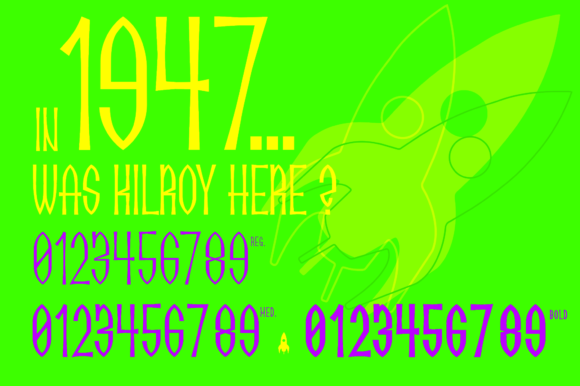
In a digital landscape saturated with uniformity, standing out requires more than just good content; it demands a visual identity that commands attention. Enter Obed, a cool and quirky display font that refuses to blend into the background. This isn’t your standard corporate sans-serif or the predictable serif you’ve seen on every brochure since 2015. Obed is incredibly unique and interesting, designed specifically for creators who want their work to look out of this world.
If you are looking to inject personality, humor, or a distinct retro-futuristic vibe into your projects, understanding how to leverage a typeface like Obed can be the difference between a forgotten design and a memorable brand experience. Let’s explore what makes this font special, where it fits best, and how you can use it to elevate your creative output without sacrificing readability or professionalism.
What Makes Obed Different?
The name "Obed" itself suggests something obedient, yet the font tells a different story. It is rebellious in its geometry and playful in its execution. Most display fonts fall into one of two camps: overly serious and stiff, or chaotic and illegible. Obed strikes a rare balance. It maintains a structured grid while introducing unexpected twists in letterforms that catch the eye.
When you add it confidently to your projects, you will love the results because it does the heavy lifting of creating atmosphere. You don’t need to spend hours tweaking kerning or adding decorative elements to make a headline pop. The characters themselves carry the weight. The strokes are bold, the proportions are slightly exaggerated, and the overall feel is modern yet nostalgic. It feels like a font that belongs in a high-end sci-fi movie poster or a trendy craft brewery menu, but it is versatile enough for much more.
Key characteristics include:
- Distinctive Geometry: The angles and curves are deliberate, giving each letter a mechanical yet hand-crafted feel.
- High Legibility at Large Sizes: As a display font, it shines in headlines, titles, and short bursts of text rather than body copy.
- Versatile Personality: It can read as futuristic, industrial, or whimsical depending on the color palette and context you choose.
Practical Applications Across Industries
One of the biggest mistakes designers make is using a quirky font for everything. However, when used strategically, Obed can transform various types of media. Here is how professionals across different fields are integrating this unique typeface into their workflows.
Branding and Logo Design
For entrepreneurs and business owners, the logo is the face of the company. If you are launching a startup in the tech, gaming, or creative arts sector, a conventional font might signal "safe" rather than "innovative." Using Obed for a logo or wordmark immediately signals that the brand is willing to take risks. It works exceptionally well for brands that want to appear approachable but edgy. Imagine a podcast cover for a tech review show or a logo for an indie game studio—Obed provides that instant recognition factor.
Digital Marketing and Social Media
In the feed-scrolling economy, you have milliseconds to grab attention. Marketers and bloggers know that visual hierarchy is key. Obed is perfect for social media graphics, particularly Instagram stories or YouTube thumbnails. Because of its strong presence, it cuts through visual noise. Use it for call-to-action buttons or overlay text on images. Just ensure there is enough contrast between the font and the background image to maintain accessibility standards.
- Email Headers: Use Obed for the subject line preview or the main header in newsletter designs to increase open rates through visual curiosity.
- Landing Pages: A hero section with a large Obed headline can set the tone for a product launch page, making the offer feel exciting and urgent.
- Event Posters: Whether for a webinar, a local workshop, or a virtual conference, this font adds energy to event announcements.
Educational and Publishing Materials
Educators and publishers often struggle with engagement. Textbooks and online courses can feel dry, but they don’t have to be. While you should never use Obed for long-form educational content, it is excellent for chapter headers, slide titles, and infographic elements. For example, a blogger writing about space exploration or retro technology could use Obed for subheadings to reinforce the theme without distracting from the actual information. It helps break up dense text and guides the reader’s eye through the article structure.
Benefits of Using Unique Display Fonts
Why go through the trouble of sourcing and licensing a specific, quirky font like Obed? The benefits extend beyond mere aesthetics.
Enhanced Brand Recognition
Consistency is vital for branding, but so is uniqueness. When customers see your distinctive typography across your website, packaging, and ads, it builds subconscious trust and recognition. A generic font blends in; Obed stands out. This differentiation is crucial in crowded markets where products and services are often similar. Your visual identity becomes part of your value proposition.
Improved User Engagement
Visual interest keeps users on a page longer. When a visitor encounters a well-designed layout with thoughtful typography choices, it signals quality and care. This positive user experience (UX) can lead to higher conversion rates, whether you are selling a product, signing up for a newsletter, or encouraging a download. The "cool" factor of Obed can lower the psychological barrier for new users, making your brand feel more human and less corporate.
Efficiency in Design Workflow
For freelancers and agency designers, time is money. Using a pre-designed, high-quality display font saves hours of experimentation. Instead of trying to create custom lettering for every project, you can rely on the inherent character of Obed. This allows you to focus more on strategy, messaging, and layout, knowing that the typography component is already solved and effective.
Practical Considerations and Best Practices
To get the most out of Obed, you need to respect its limitations. It is a display font, not a body text font. Here are some practical tips for implementation:
- Pairing is Key: Since Obed is visually loud, pair it with a clean, neutral sans-serif or serif for body text. This creates a pleasing contrast between the headline and the readable content. Avoid pairing it with other decorative fonts, as this can create visual clutter.
- Watch the Weight: Ensure that the lines are thick enough to be legible on all devices. On small mobile screens, very thin or intricate details might disappear. Test your designs at various sizes before finalizing.
- Context Matters: Be mindful of where you place this font. It may not be appropriate for formal legal documents, financial reports, or healthcare communications where clarity and tradition are preferred. Reserve it for contexts where creativity and personality are assets.
- Licensing: Always check the license agreement. Some fonts are free for personal use but require a commercial license for business projects. Ensuring you have the right license protects you from legal issues and supports the type designer.
Conclusion
Obed is more than just a collection of letters; it is a tool for communication that brings energy and distinctiveness to your work. By understanding its strengths and applying it thoughtfully across your projects, you can create designs that are not only beautiful but also effective. Whether you are a seasoned professional or a hobbyist exploring graphic design, incorporating a font like Obed into your toolkit can help you break free from the ordinary and create something truly remarkable. Add it confidently to your next project, and watch your audience’s reaction.